Sharing some driving tips with Sir Jackie Stewart
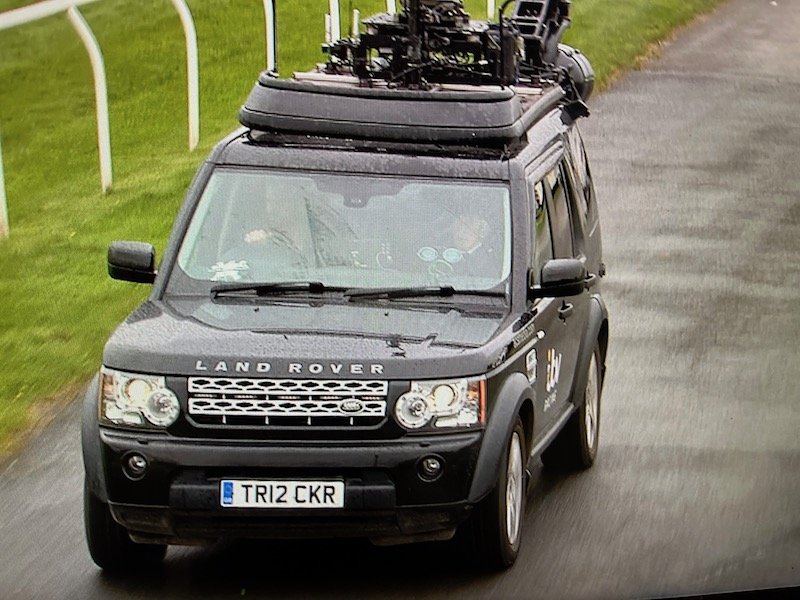
It was great to see Sir Jackie Stewart at Aintree Racecourse this year, he was there to start the Grand National. I took him out for a lap around the course and tried my best to share some driving tips. I don’t think he was impressed.
It’s hard to share driving tips with a formula one racing legend. He told me all about the “Race Against Dementia” charity he was there supporting, and how he used to race around Aintree in the 60’s, when it was a Grand Prix circuit.
I did my best., but I do drive a little slower, and my racing line is a bit different.
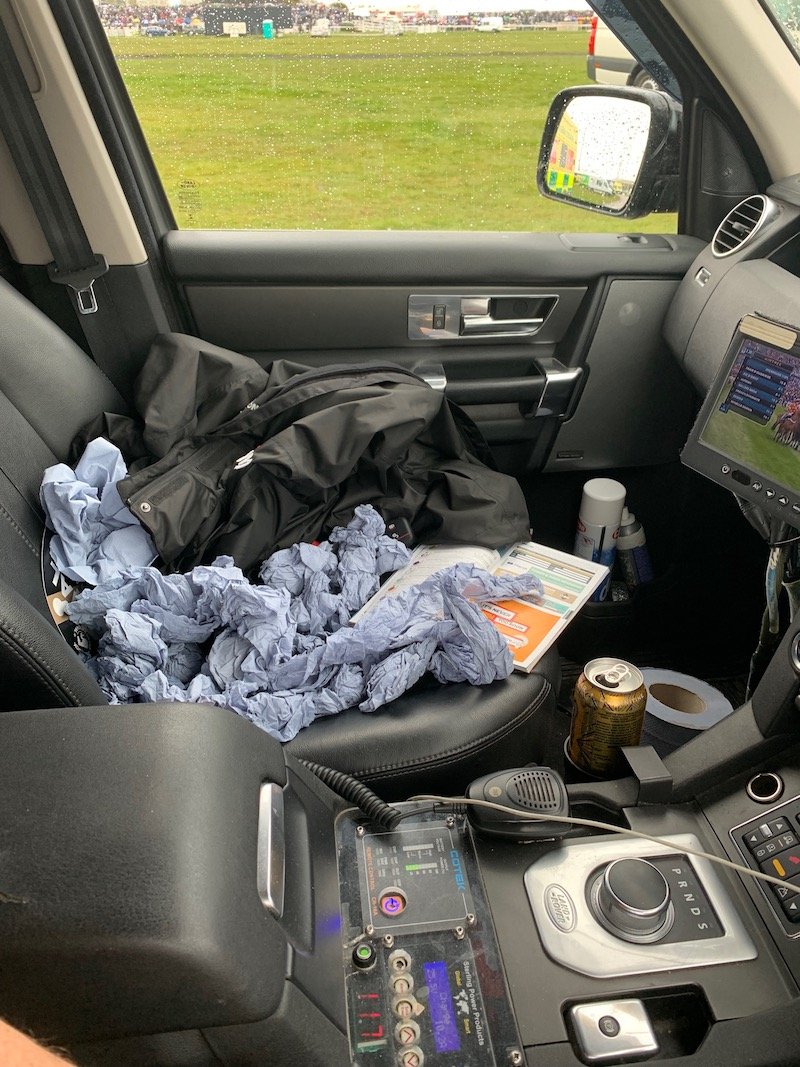
I even gave the cockpit a clean before I took him out, because it’s not every day you get to attempt to give driving tips to an OBE, and because it usually looks like this…
A couple of better shots of Tracker A at Aintree…. what a rig! One of the coolest jobs in TV.
This month was all tracking vehicles, I didn’t get time for much else…. If I wasn’t driving around the country, from Aintree, to Doncaster, to Newmarket, I was back at base working on them. A very busy time of year.
Did you know we also do cleaning?
Check out the rest of my BLOG
I write about horse racing, flying, climbing mountains and people getting chased by donkeys while eating pizza.
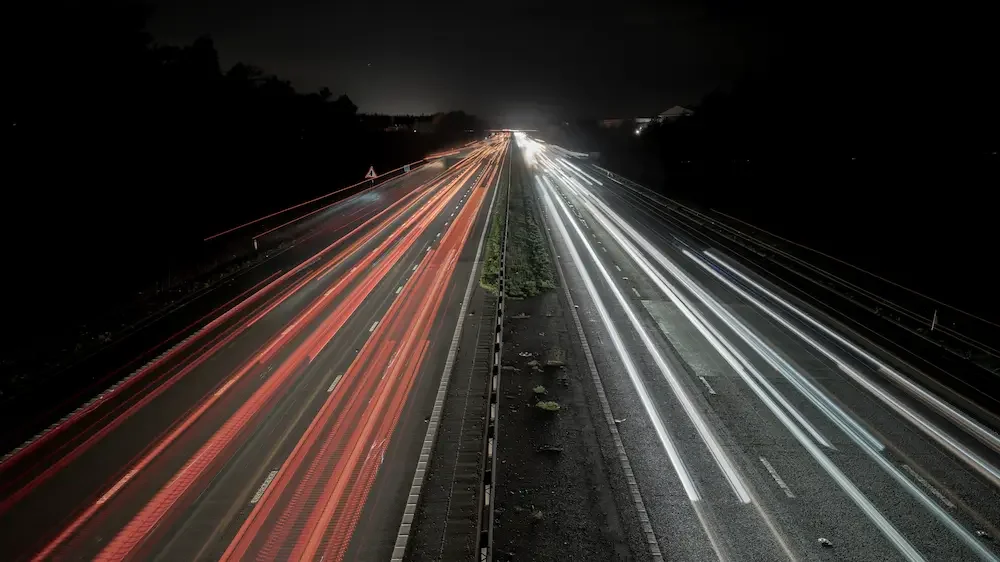
I’ve just added Pack 323 to the library: cinematic 4K motorway timelapses capturing the kinetic energy of UK night traffic. Perfect for documentaries, master in ProRes 422, and as always—no hidden fees for broadcast use.
Pixels are cheap. Atmosphere is expensive. I introduce the (alone.) Master Collection—27 minutes of authentic, verified 4K stock footage documenting the raw reality of solitude in the British winter. No AI. Just physics.
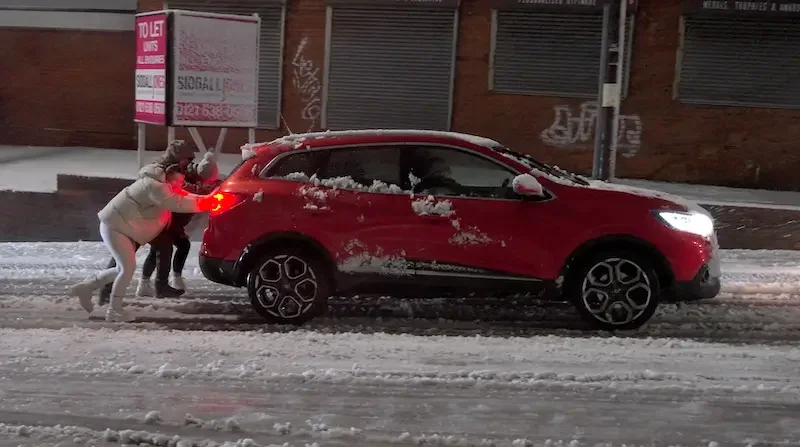
They named it Storm Goretti; I named it Clip Pack #320. Read the story behind the shoot where I captured a real high-speed collision, gridlocked streets, and the raw reality of UK winter infrastructure failing. Plus, find out why buying direct from the cameraman beats the big agencies every time.
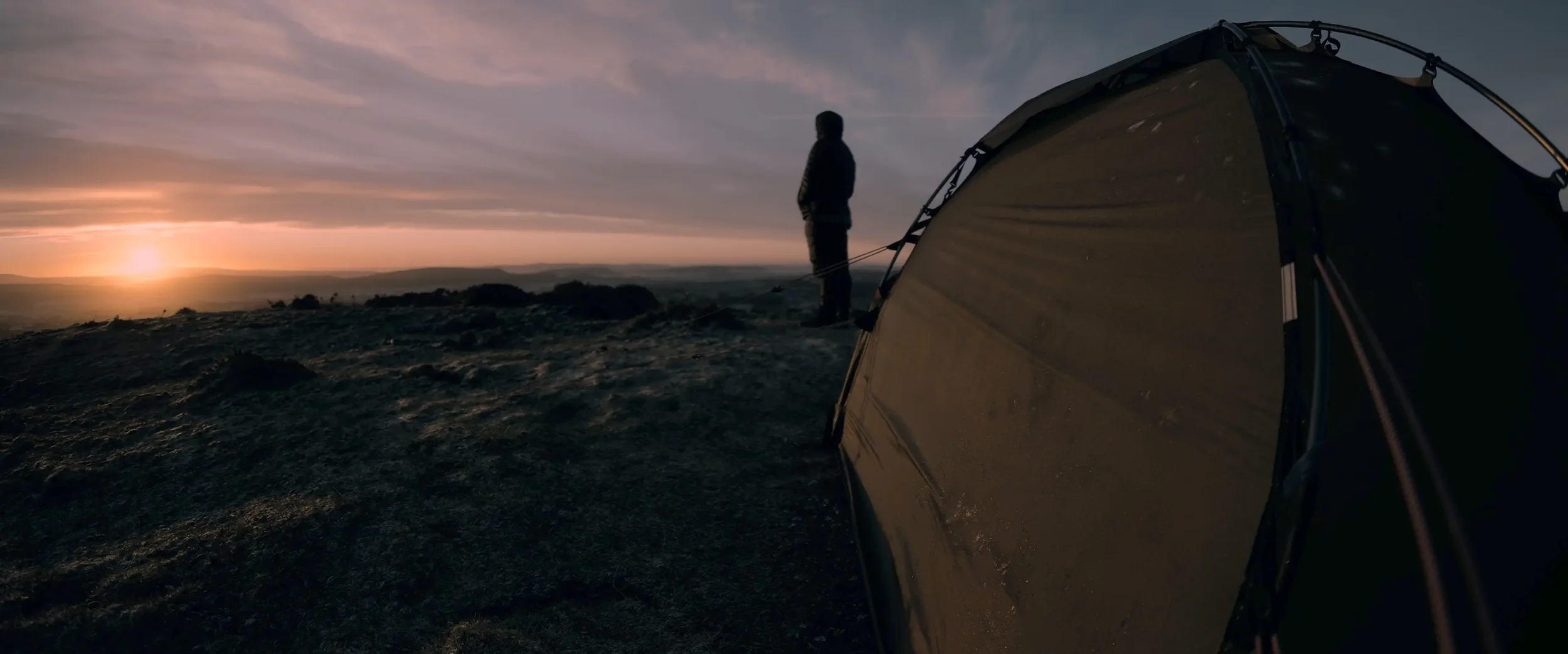
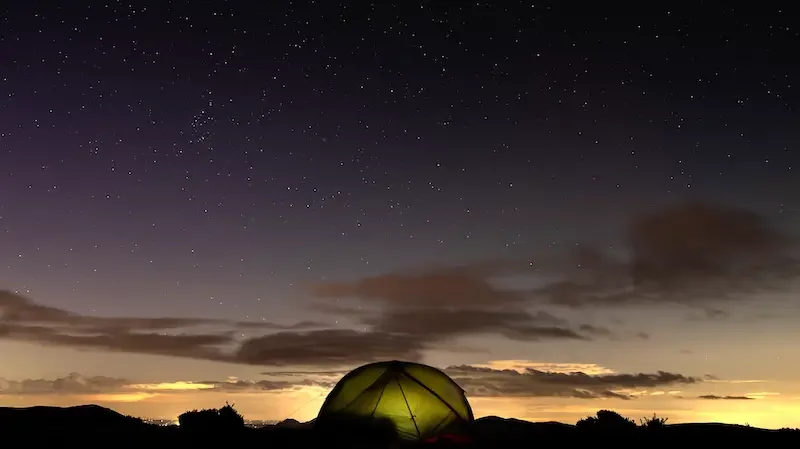
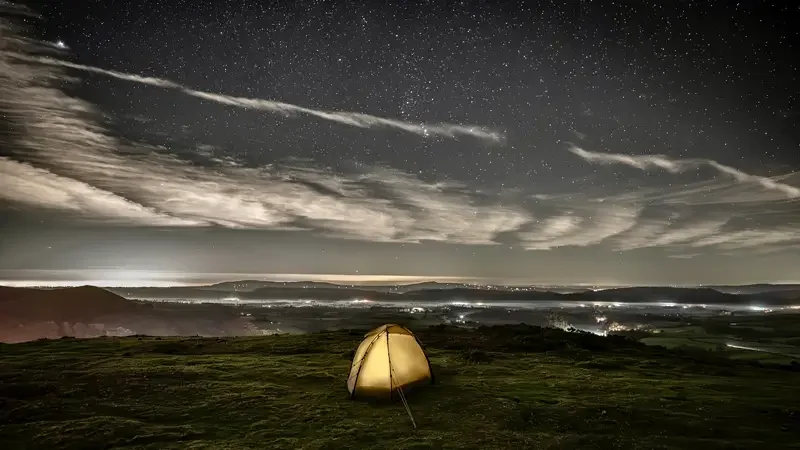
Three nights of freezing on a hill, condensed into 90 seconds of absolute cinematic clarity. Clip Pack #319 features massive ProRes 422 night timelapses from the Shropshire Hills, including star trails over traffic and illuminated wild camping scenes—solid files ready for your grade.
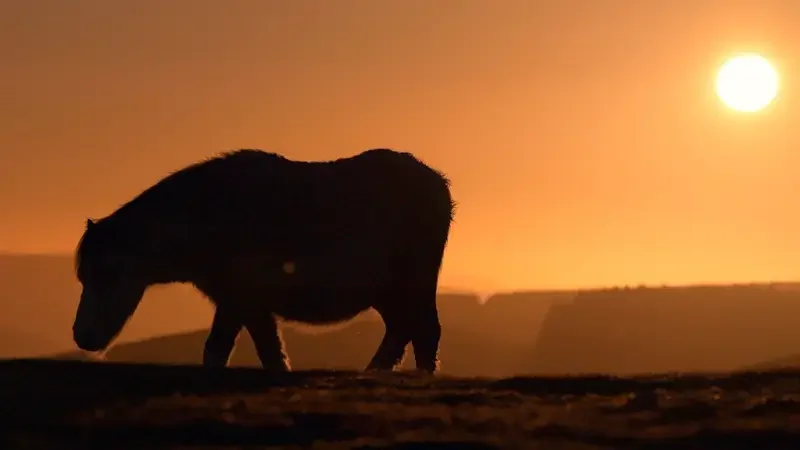
Sending a film crew to the Long Mynd to find wild ponies is a gamble. It costs thousands in fees and travel, the weather is usually miserable, and the ponies have a habit of disappearing into the valleys just when you need them. I took that gamble so you don't have to. Introducing Clip Pack 318: The most comprehensive, cinematic library of Shropshire wild pony footage available. 181 clips, shot on the Sony 200-600mm during a rare window of golden light, ready to save your production budget. Don't film it—buy it.
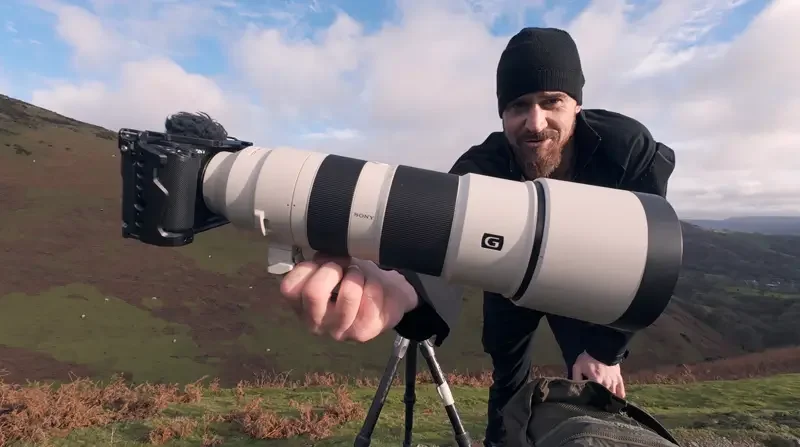
Most wild campers pack light. I packed a 2kg lens and a tripod built like a tank. In this gear breakdown, I explain why I hauled the Sony 200-600mm and Benro Tortoise 35C up the Shropshire Hills. From the incredible compression of the lens to the bombproof stability of the tripod (and the cavernous capacity of the Snugpak Bergen), find out why suffering under a heavy pack is the only way to get true cinematic wildlife shots.
Most people pack light for a Long Mynd wild camping trip. I decided to pack a weapon system. In this adventure, I haul the ridiculous Sony 200-600mm lens up the Shropshire Hills to hunt for wild ponies. It’s a story of golden hour glory, tent-pitching incompetence in the dark, and a very swift retreat to Greggs when the gales hit. If you want to see what happens when ambition meets bad weather (and a lack of waterproof trousers), give this a watch.
"Stock footage" used to be a dirty word in feature films. But with rising production costs, directors are realising that a curated, broadcast-quality archive is their secret weapon. Learn how to get the million-dollar establishing shot—from the Welsh mountains to Japanese megacities—without the Hollywood price tag or corporate licensing traps.
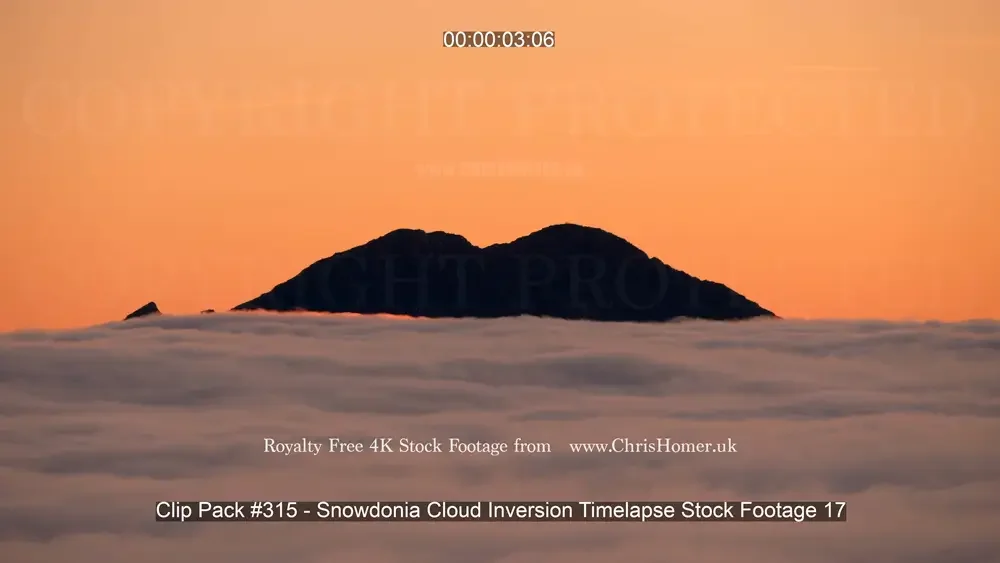
Snowdonia doesn't give up its secrets easily. I’ve spent the last decade hauling heavy cinema cameras up 3,000ft peaks to capture the rare moments others miss. From the 2-year wait for the perfect cloud inversion to freezing winter nights on the Glyderau, this is the reality behind the ultimate Snowdonia stock footage collection.
Capturing the Soul of the Mountain in Paint
I have spent years pointing high-end cameras at Snowdonia National Park, chasing the perfect light and the sharpest 4K resolution. But sometimes, a lens isn't enough. Sometimes, to truly capture the brutal, freezing, magical atmosphere of a winter night in the mountains, you need paint.
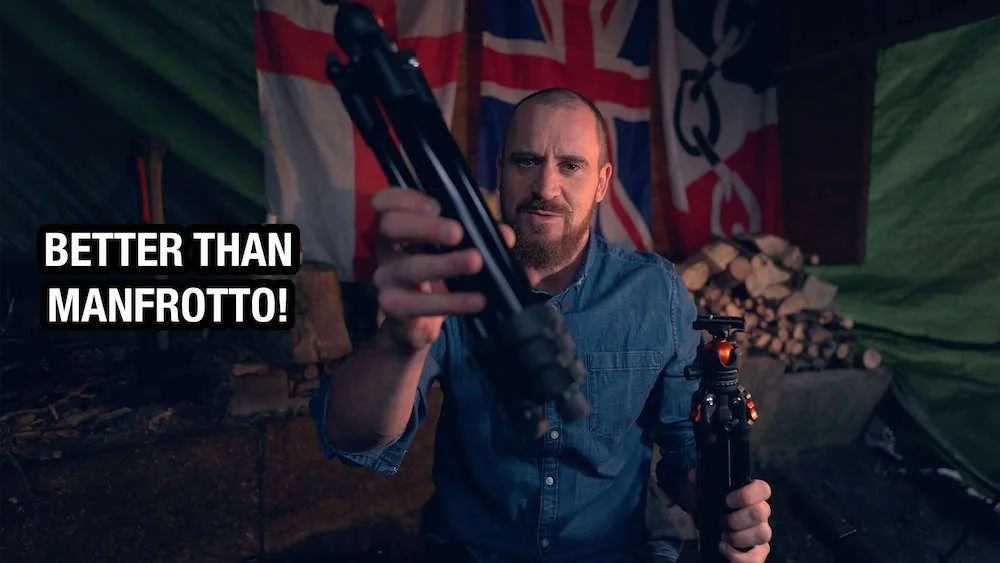
I’ve nicknamed this tripod "DAVID" because it takes down a giant of the budget market: the Manfrotto Compact Light. For under £50, the K&F Concept Lightweight Tripod offers a 10kg payload, splaying legs for low angles, and crucially—metal spikes hidden under the rubber feet. It’s slightly heavier than the Manfrotto, but infinitely more stable in a breeze. Read my full verdict on why this is the new king of budget travel tripods.
For two years, I waited for a precise alignment of pressure, wind, and humidity. When the window finally opened, I hauled my gear up 805 metres to Y Foel Goch in the Glyderau. The result? A heart-pounding ascent through thick fog that broke into a silent, brilliant white ocean of cloud, with Tryfan rising like an island from the mist. This wasn't just a lucky hike; it was the culmination of decades of studying mountain weather and a testament to persistence. Read the full story behind the "Ultimate Snowdonia Stock Footage Triumph."
Six hours of grey light. Eighteen hours of darkness. The math changes in winter. I document the reality of the long night in my new film "insomnia." shot entirely on 50mm f/1.4. Includes details on the new dark nature stock collection and the Ultimate Archive.