Most people think stock footage is generic B-roll sitting on a server waiting for someone to slap a watermark over it. Sometimes it is. When you are cutting a film, a documentary, or a broadcast package against a deadline, it is usually the difference between making your edit and spending three days fighting bad weather, flight permissions, or a travel budget that has already run out.
I have spent over 17 years working in specialist broadcast camera work, drones, tracking vehicles, and aerial rigs across live sport, major events, and industrial surveys in more than 36 countries. Over the years, I have built my own 4K archive of more than 22,800 original clips, totalling over 164 hours of footage. Every frame is shot on real cameras, with zero AI-generated video in the library.
Here is how stock footage works in practice, without the agency spin.
How Stock Footage Fits Into Real Productions
At its simplest, stock footage is pre-shot video you license for a project instead of sending a crew out to film it from scratch.
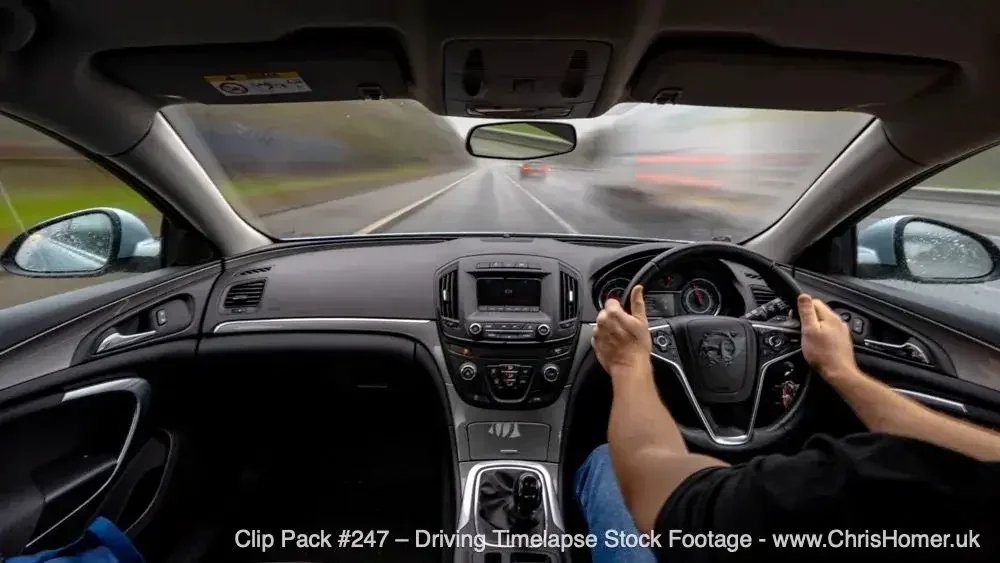
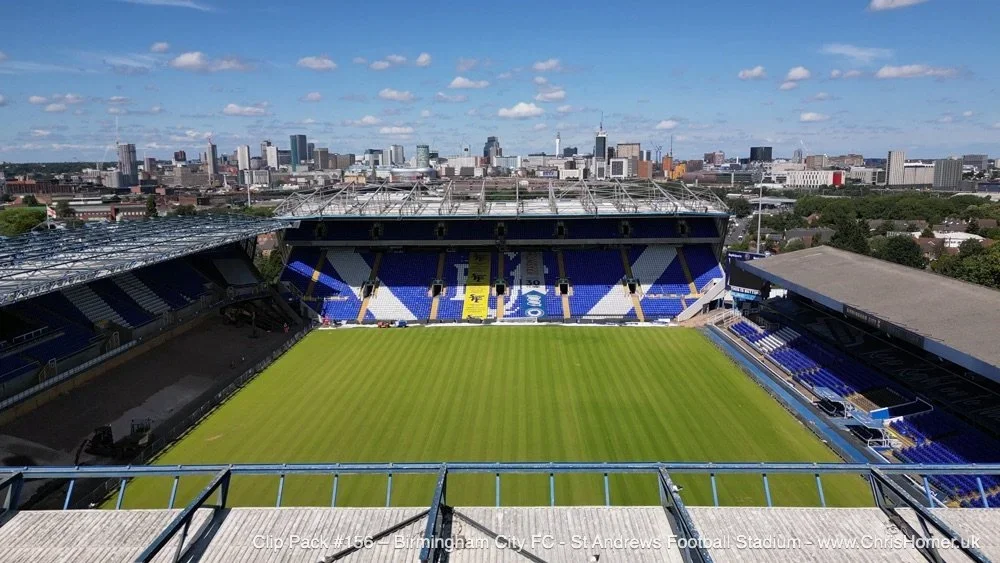
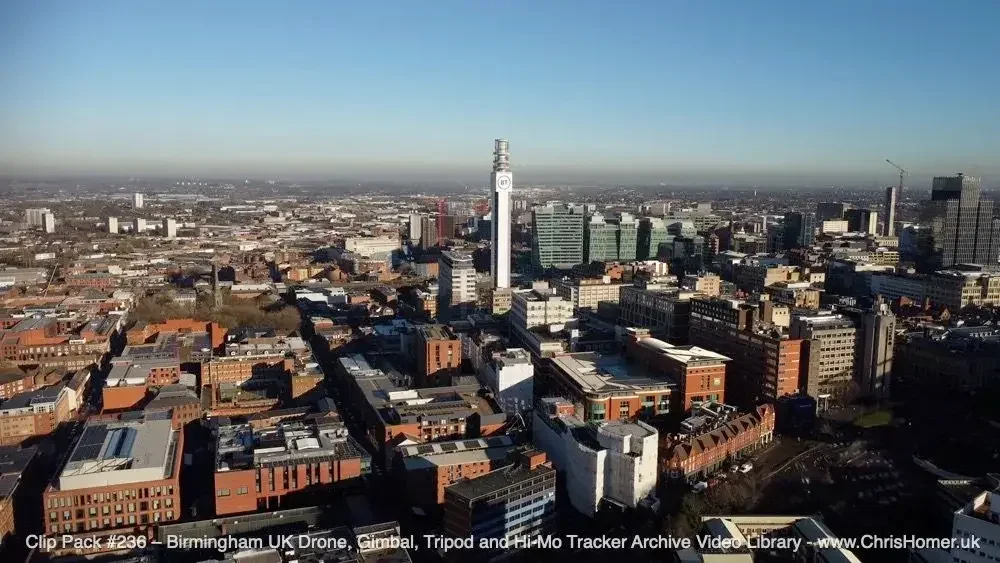
Sometimes a shoot is impossible on your schedule. You might need a cloud inversion over Snowdonia, golden light across a UK city centre, a specific industrial site, or a woodland sequence that took a full year of monthly visits to capture. Waiting around for the right sky, the right light, or the right access is a luxury most production budgets do not have.
Good stock footage solves specific problems in the edit:
Establishing shots that ground the viewer in a location fast.
Cutaways and coverage that cover jump cuts or thin interview sequences.
Specialist angles like aerials, timelapses, and slow-motion details that would cost thousands to rig and shoot for a few seconds of screen time.
The Difference Between Rushes, GVs, and Vignettes
Different edits need different types of coverage. A single cutaway is not the same thing as a multi-angle sequence covering a location from start to finish.
Rushes (from £9 per clip): Individual 4K clips for when you need a specific shot to drop straight into a timeline.
Broadcast GVs (£999): Curated 2 to 3 minute sequences built to give editors ready-made general views and location coverage without hunting for matching shots one by one.
Vignettes (£399): Shorter, focused atmospheric sequences built for mood, pacing, and visual storytelling.
Britain Unscripted (£499): Longer, quiet observational films capturing real places and weather as they happen.
If you only want a handful of hand-picked shots from the wider library, Select lets you buy individual 4K clips or credit bundles. For productions that want everything under one roof, the Ultimate 4K Archive gives full library access with free lifetime updates.
What to Check Before You License
Cheap footage gets expensive fast if it falls apart in the grade, lacks matching coverage, or comes with messy rights restrictions. Before you buy, check three things:
Real cameras vs. synthetic video: Every clip in my archive is captured on real glass and sensors. No AI filler pretending to be reality.
Resolution and consistency: Clean 4K gives you room to reframe or punch in during the edit without losing sharpness, especially when cutting multiple shots together.
Straightforward licensing: Look for flat, clear rights with no extra fees when a project goes to television, documentary, or cinema.
Stock footage is not a shortcut. It is a practical way to get real pictures on screen when time, weather, access, or budget are against you. Whether you need a single 4K clip from Rushes, a full location sequence from Broadcast GVs, or want to test a clip first via Free 4K Stock Footage, pick what actually serves the edit.